Breaking down barriers for disabled people

Published: 16 November 2010 y., Tuesday

Ten–year strategy for people with disabilities so they can take part in all aspects of daily life across the EU.
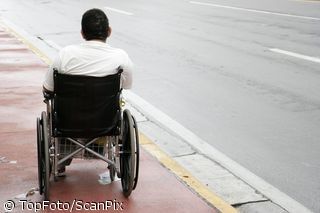
About 80 million people living in the EU have a mild to severe disability. The physical obstacles they face, like gaining access to a school or work place, leave them vulnerable to social exclusion. Lower employment and education levels mean the poverty rate for those with disabilities is 70% higher than the average.

The European Disability Strategy aims to make it easier for people with disabilities to go about their daily lives like everyone else – and enjoy their rights as an EU citizen.

It will ensure access to EU funding, raise public awareness about disability, and encourage member governments to work together in removing obstacles to inclusion.

It will also fulfil the EU's commitment to the UN Convention on the Rights of Persons with Disabilities, which the bloc and its member countries signed in 2007.

The strategy's targets for the first five years include:

  • devising policies for inclusive, high–quality education
  • ensuring the European Platform Against Poverty includes a special focus on people with disabilities. The forum brings together experts who share best practices and experience
  • working towards the recognition of disability cards throughout the EU to ensure equal treatment when working, living or travelling in the bloc
  • developing accessibility standards for voting premises and campaign material
  • taking the rights of people with disabilities into account in external development programmes and for EU candidate countries.

The commission will also consider proposing a “European Accessibility Act”, which would set EU standards for products, services, and public buildings. For example, it would make it easier for manufacturers of assistive devices like wheelchairs or large print keyboards to trade across borders, bringing costs down.

Promoting accessibility is an important part of creating a culture of equal opportunities for all in the EU. But it also stands to benefit the economy as a whole. Boosting the industries that invest in accessible products and services will foster innovation and create jobs.

Šaltinis: ec.europa.eu
Copying, publishing, announcing any information from the News.lt portal without written permission of News.lt editorial office is prohibited.

Facebook Comments

New comment


Captcha

Associated articles

The most popular articles

Cambodia: Health Equity Fund Brings Medical Care to the Poor

51-year-old mother of eight, sits beside her sick husband, Tuy Muy, 52, in Battambang Provincial Referral Hospital. He is lying on a bed with a stomach problem, battling nausea and vomiting. more »

Parental leave - how much is enough? EP rapporteur Edite Estrela interviewed

The length of maternity and paternity leave are at the heart of a crucial vote in the plenary sitting of March 24-25. more »

Closer ties between women and the European Union

The perception women have of the EU, the way the economic and financial crisis is affecting women and the lessons to be learnt ahead of the 2014 elections are among the issues to be tackled during a colloquium being held at the European Parliament on Tuesday. more »

Women's rights: strategic goals of Beijing Platform not yet achieved

To achieve quicker de facto gender equality, Commission and Member States should adopt and implement specific gender equality policies, Parliament said in a resolution adopted on Thursday. more »

“Erasmus for Young Entrepreneurs” to boost creation of small enterprises

Are you thinking about setting up your own business or are you already a successful entrepreneur? The Erasmus for Young Entrepreneurs exchange scheme offers an excellent opportunity for new entrepreneurs to acquire relevant skills for managing a small or medium-sized enterprise (SME). more »

MEPs back steps to ease foreign child maintenance

The pain of divorce and separation is all too often accompanied by financial and emotional hardship when one parent lives abroad and refuses to provide financial help. more »

112 - Europe's lifeline

Most Europeans still do not know they can call 112 anywhere in the EU to contact the police, fire brigade or an ambulance. more »

Solidarity with the people of Haiti

Helping to meet Haiti's humanitarian, reconstruction and nation-building needs must be the EU's priority in tackling the earthquake's aftermath, says Parliament in a resolution approved on Wednesday. more »

Rise in access to safe water in Europe

Further work is needed to continue improving access to safe drinking-water at home, sewerage systems and safe bathing water throughout the European Region. more »

MEPs debate extending funding for poor housing

Poor housing remains a blight across Europe and Tuesday evening MEPs will debate a plan to extend EU funding to help renovate and repair housing stock for the poorest people on the continent. more »