Ten–year strategy for people with disabilities so they can take part in all aspects of daily life across the EU.
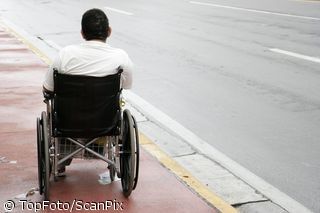 Ten–year strategy for people with disabilities so they can take part in all aspects of daily life across the EU.
About 80 million people living in the EU have a mild to severe disability. The physical obstacles they face, like gaining access to a school or work place, leave them vulnerable to social exclusion. Lower employment and education levels mean the poverty rate for those with disabilities is 70% higher than the average.
The European Disability Strategy aims to make it easier for people with disabilities to go about their daily lives like everyone else – and enjoy their rights as an EU citizen.
It will ensure access to EU funding, raise public awareness about disability, and encourage member governments to work together in removing obstacles to inclusion.
It will also fulfil the EU's commitment to the UN Convention on the Rights of Persons with Disabilities, which the bloc and its member countries signed in 2007.
The strategy's targets for the first five years include:
- devising policies for inclusive, high–quality education
- ensuring the European Platform Against Poverty includes a special focus on people with disabilities. The forum brings together experts who share best practices and experience
- working towards the recognition of disability cards throughout the EU to ensure equal treatment when working, living or travelling in the bloc
- developing accessibility standards for voting premises and campaign material
- taking the rights of people with disabilities into account in external development programmes and for EU candidate countries.
The commission will also consider proposing a “European Accessibility Act”, which would set EU standards for products, services, and public buildings. For example, it would make it easier for manufacturers of assistive devices like wheelchairs or large print keyboards to trade across borders, bringing costs down.
Promoting accessibility is an important part of creating a culture of equal opportunities for all in the EU. But it also stands to benefit the economy as a whole. Boosting the industries that invest in accessible products and services will foster innovation and create jobs.