The newly formed Russian Baltic Party of Estonia plans to create Estonia's first Baltic Russian history museum next fall as part of its platform to improve life for Estonia's Russian minorities, said party board member Viktor Lanberg.
Published:
21 July 2000 y., Friday
RBPE formed last June as a splinter of the Russian-speaking People's Trust party. One of its major cultural projects includes a museum intended to preserve Russian culture in the Baltics and improve attitudes toward ethnic Russians living in Estonia, Lanberg said.
Lanberg said he hopes the museum, which will be housed in Tallinn, will help raise awareness that Russians were contributing members of the Baltics long before the great influx of Soviet Russians led to tensions between the two cultures.
"It is politically not fair, and historically not right to think that the history of Russians in the Baltics started in the 1940s," said Lanberg, adding that Russian immigrant groups were important contributors to Estonian culture as far back as the 13th century - long before Soviet Russification policies
increased the Russian population of Estonia to nearly 40 percent.
Lanberg said the party, which now has 800 members, will try to find funding for the museum from next year's budget. If Parliament approves the funding, the museum will house historical documents, photos and artifacts from as far back as the 13th century.
Much of the museum's content will be contributed by archivist Alexander Dormidontov, whose photo collection of Baltic-Russian culture has traveled throughout Estonia and was on display at Parliament last spring.
Dormidontov, who will be a permanent board member of the museum, said he wanted to find a better way to preserve what he and others have collected as well as give ethnic Estonians and Russians another perspective on the country's history.
Šaltinis:
The Baltic Times
Copying, publishing, announcing any information from the News.lt portal without written permission of News.lt editorial office is prohibited.
The most popular articles
 This Saturday, 24 April, the Carlos de Amberes Foundation is hosting two conferences of European experts on the environment and sustainability and immigration policies in the EU, organised by the Allianz Cultural Foundation in the context of the Allianz Alumni Academy.
more »
This Saturday, 24 April, the Carlos de Amberes Foundation is hosting two conferences of European experts on the environment and sustainability and immigration policies in the EU, organised by the Allianz Cultural Foundation in the context of the Allianz Alumni Academy.
more »
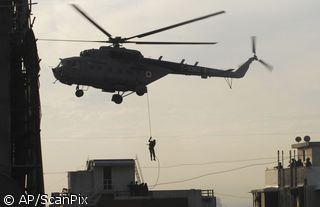 The Trident-Oberoi Hotel in Mumbai to reopen, following renovations after militant attacks in 2008
more »
The Trident-Oberoi Hotel in Mumbai to reopen, following renovations after militant attacks in 2008
more »
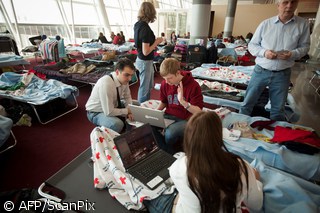 Fresh from their wedding in Jamaica, British tourists Siobhan and David Monteith never thought for a minute that a volcano would interrupt their honeymoon.
more »
Fresh from their wedding in Jamaica, British tourists Siobhan and David Monteith never thought for a minute that a volcano would interrupt their honeymoon.
more »
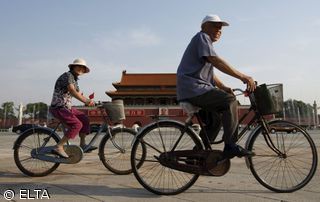 The streets of Manila filled with a colourful display on wheels, just days before the world celebrates Earth Day’s 40th anniversary.
more »
The streets of Manila filled with a colourful display on wheels, just days before the world celebrates Earth Day’s 40th anniversary.
more »
 Tens of thousands of Ugandans flocked to the hilltop palace of Africa’s youngest tribal ruler for two days of noisy parties marking a decade in power for the 18-year-old king.
more »
Tens of thousands of Ugandans flocked to the hilltop palace of Africa’s youngest tribal ruler for two days of noisy parties marking a decade in power for the 18-year-old king.
more »
 Colourful warriors leap across the stage at the 6th annual Songjiang Battle Array, in Neimen, southern Taiwan.
more »
Colourful warriors leap across the stage at the 6th annual Songjiang Battle Array, in Neimen, southern Taiwan.
more »
 Consumers benefit from greater use of European product safety alert system and more effective market surveillance.
more »
Consumers benefit from greater use of European product safety alert system and more effective market surveillance.
more »
 Representatives from all Member States are gathering for two days in Zaragoza from 15 to 16 April to discuss how migrant integration can become a driver for social cohesion in the EU.
more »
Representatives from all Member States are gathering for two days in Zaragoza from 15 to 16 April to discuss how migrant integration can become a driver for social cohesion in the EU.
more »
 The much heralded "citizens initiative" to change EU laws has been given a cautious welcome by MEPs. Under the scheme - a major innovation of the Lisbon treaty - a million people can back a plan to introduce European legislation.
more »
The much heralded "citizens initiative" to change EU laws has been given a cautious welcome by MEPs. Under the scheme - a major innovation of the Lisbon treaty - a million people can back a plan to introduce European legislation.
more »
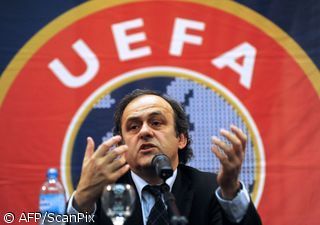 Football shares Europe's values of integration, solidarity and social inclusion, and can play a significant role in helping the EU to promote them, especially at the local level where clubs are part of their local communities.
more »
Football shares Europe's values of integration, solidarity and social inclusion, and can play a significant role in helping the EU to promote them, especially at the local level where clubs are part of their local communities.
more »