The newly formed Russian Baltic Party of Estonia plans to create Estonia's first Baltic Russian history museum next fall as part of its platform to improve life for Estonia's Russian minorities, said party board member Viktor Lanberg.
Published:
21 July 2000 y., Friday
RBPE formed last June as a splinter of the Russian-speaking People's Trust party. One of its major cultural projects includes a museum intended to preserve Russian culture in the Baltics and improve attitudes toward ethnic Russians living in Estonia, Lanberg said.
Lanberg said he hopes the museum, which will be housed in Tallinn, will help raise awareness that Russians were contributing members of the Baltics long before the great influx of Soviet Russians led to tensions between the two cultures.
"It is politically not fair, and historically not right to think that the history of Russians in the Baltics started in the 1940s," said Lanberg, adding that Russian immigrant groups were important contributors to Estonian culture as far back as the 13th century - long before Soviet Russification policies
increased the Russian population of Estonia to nearly 40 percent.
Lanberg said the party, which now has 800 members, will try to find funding for the museum from next year's budget. If Parliament approves the funding, the museum will house historical documents, photos and artifacts from as far back as the 13th century.
Much of the museum's content will be contributed by archivist Alexander Dormidontov, whose photo collection of Baltic-Russian culture has traveled throughout Estonia and was on display at Parliament last spring.
Dormidontov, who will be a permanent board member of the museum, said he wanted to find a better way to preserve what he and others have collected as well as give ethnic Estonians and Russians another perspective on the country's history.
Šaltinis:
The Baltic Times
Copying, publishing, announcing any information from the News.lt portal without written permission of News.lt editorial office is prohibited.
The most popular articles
 Forget burning bras, the latest in "women's liberation" is a product making a comeback in Japan that makers claim allows women to ditch tight-fitting underwear - loincloths.
more »
Forget burning bras, the latest in "women's liberation" is a product making a comeback in Japan that makers claim allows women to ditch tight-fitting underwear - loincloths.
more »
 We revel in the ways in which mobile phones and wireless internet make our lives easier.
more »
We revel in the ways in which mobile phones and wireless internet make our lives easier.
more »
 For almost a decade a series of laws have protected Europe's workers from discrimination on the basis of age, disability, sexuality or religious beliefs.
more »
For almost a decade a series of laws have protected Europe's workers from discrimination on the basis of age, disability, sexuality or religious beliefs.
more »
 Earth Hour 2009 is an opportunity for hundreds of millions of people all around the world to switch off their lights as a demonstration, a symbolic action to show to governments we need you to take action on climate change.
more »
Earth Hour 2009 is an opportunity for hundreds of millions of people all around the world to switch off their lights as a demonstration, a symbolic action to show to governments we need you to take action on climate change.
more »
 From 4-7 June millions of people will have their chance to vote in the European Parliament elections.
more »
From 4-7 June millions of people will have their chance to vote in the European Parliament elections.
more »
 One town in Poland has just started a "rent-a-grandparent" programme.
more »
One town in Poland has just started a "rent-a-grandparent" programme.
more »
 A key component of the EU's internal market for goods and services is the possibility of buying and selling across Europe.
more »
A key component of the EU's internal market for goods and services is the possibility of buying and selling across Europe.
more »
 Polish farmers are intimidated by the mysterious predator.
more »
Polish farmers are intimidated by the mysterious predator.
more »
 The costs of fossil fuels are increasing and global warming is accelerating.
more »
The costs of fossil fuels are increasing and global warming is accelerating.
more »
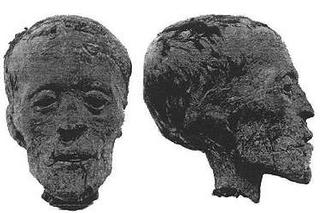 According to archaeologists, the mummy of a 50-year-old woman, discovered on San Lorenzo island, was most likely an elite member of the Pre-Incan Ichma culture.
more »
According to archaeologists, the mummy of a 50-year-old woman, discovered on San Lorenzo island, was most likely an elite member of the Pre-Incan Ichma culture.
more »