The newly formed Russian Baltic Party of Estonia plans to create Estonia's first Baltic Russian history museum next fall as part of its platform to improve life for Estonia's Russian minorities, said party board member Viktor Lanberg.
Published:
21 July 2000 y., Friday
RBPE formed last June as a splinter of the Russian-speaking People's Trust party. One of its major cultural projects includes a museum intended to preserve Russian culture in the Baltics and improve attitudes toward ethnic Russians living in Estonia, Lanberg said.
Lanberg said he hopes the museum, which will be housed in Tallinn, will help raise awareness that Russians were contributing members of the Baltics long before the great influx of Soviet Russians led to tensions between the two cultures.
"It is politically not fair, and historically not right to think that the history of Russians in the Baltics started in the 1940s," said Lanberg, adding that Russian immigrant groups were important contributors to Estonian culture as far back as the 13th century - long before Soviet Russification policies
increased the Russian population of Estonia to nearly 40 percent.
Lanberg said the party, which now has 800 members, will try to find funding for the museum from next year's budget. If Parliament approves the funding, the museum will house historical documents, photos and artifacts from as far back as the 13th century.
Much of the museum's content will be contributed by archivist Alexander Dormidontov, whose photo collection of Baltic-Russian culture has traveled throughout Estonia and was on display at Parliament last spring.
Dormidontov, who will be a permanent board member of the museum, said he wanted to find a better way to preserve what he and others have collected as well as give ethnic Estonians and Russians another perspective on the country's history.
Šaltinis:
The Baltic Times
Copying, publishing, announcing any information from the News.lt portal without written permission of News.lt editorial office is prohibited.
The most popular articles
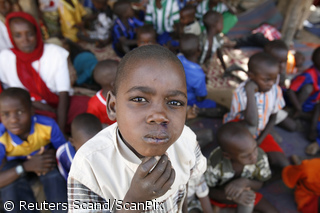 The fact that over 80% of the world's children live in the developing world with a poor quality of life is the reason Europe “should take positive action”, according to Glenys Kinnock.
more »
The fact that over 80% of the world's children live in the developing world with a poor quality of life is the reason Europe “should take positive action”, according to Glenys Kinnock.
more »
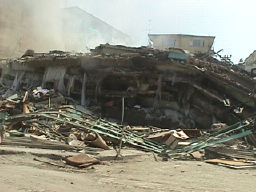 Houses collapse on the outskirts of La Paz Bolivia.
more »
Houses collapse on the outskirts of La Paz Bolivia.
more »
 In a remote corner of Siberia children with disabilities are being offered a helping paw.
more »
In a remote corner of Siberia children with disabilities are being offered a helping paw.
more »
 In Hungary every February The Buso men march through the streets hoping their efforts will help usher in the spring.
more »
In Hungary every February The Buso men march through the streets hoping their efforts will help usher in the spring.
more »
 Besides fostering dialogues among the world's most influential chefs, the event also is aimed at promoting Japanese food culture to the world.
more »
Besides fostering dialogues among the world's most influential chefs, the event also is aimed at promoting Japanese food culture to the world.
more »
 A new trend in fake fashion is taking China by storm.
more »
A new trend in fake fashion is taking China by storm.
more »
 When it comes to social protection, the EU has some of the strongest laws on the books.
more »
When it comes to social protection, the EU has some of the strongest laws on the books.
more »
 The Taj Mahal is under threat - a series of cracks have appeared in the walls of the structure.
more »
The Taj Mahal is under threat - a series of cracks have appeared in the walls of the structure.
more »
 French and Danish journalists share first prize in the 2008 journalist award "For diversity, against discrimination".
more »
French and Danish journalists share first prize in the 2008 journalist award "For diversity, against discrimination".
more »
 Rallies can be used to pump up people's enthusiasm for all kinds of things but here in Japan schools and colleges are drafting in teams of cheerleaders to boost enthusiasm among students about to enter the jobs market.
more »
Rallies can be used to pump up people's enthusiasm for all kinds of things but here in Japan schools and colleges are drafting in teams of cheerleaders to boost enthusiasm among students about to enter the jobs market.
more »