Faced with a 2004 deadline, Latvia's government must decide what to do with thousands of secret police files left over from Soviet rule of the Baltic country
Published:
12 July 2003 y., Saturday
Since regaining independence in the 1991 Soviet collapse, the country of 2.4 million has grappled with its Communist past and what to do with thousands of KGB documents that are a record of decades of secret police activity.
Some want the 4,000 KGB files opened for public view, citing their historical importance, while others want them destroyed, fearful of the secrets they contain. The KGB took the bulk of the files with them when they pulled out of Latvia in 1991. Those that remain are just a fraction of the total.
If the deadline passes without a decision, the files will remain locked up -- closed to all but prosecutors investigating specific crimes and to individuals who want to see their own files. The files could no longer be used to run background checks on public figures or job applicants.
"Let's put the information on the table and get rid of the speculation," ex-Latvian Prime Minister Guntars Krasts told The Associated Press. "We can't live with keeping it in the dark and some people speculating over who is and isn't in there."
While giving the public access could clear those who are rumored to have worked for the KGB during Soviet rule, it could also mean others might be wrongly tainted.
Former Latvian President Guntis Ulmanis said the files should be destroyed, arguing that the KGB was known to forge documents in a bid to smear public figures.
The files have typically been used to run background checks on people seeking public office or a job in law enforcement. Any use of the documents was done through the state-run Center for the Documentation of the Consequences of Totalitarianism.
If someone is found to have had connections to the KGB, they can't be hired.
Indulis Zalite, who oversees the storage of the files and one of the few with unfettered access to them, said destroying them would be a mistake, but so would opening them up, too.
Šaltinis:
newsday.com
Copying, publishing, announcing any information from the News.lt portal without written permission of News.lt editorial office is prohibited.
The most popular articles
 The twentieth anniversary of the Baltic Way was commemorated in Tokyo.
more »
The twentieth anniversary of the Baltic Way was commemorated in Tokyo.
more »
 After an emotional funeral service in Boston and a 90-minute flight from Massachusetts, the flag-draped casket holding Edward Kennedy arrived by motorcade in Washington, D.C. for a final visit to the U.S. Capitol Building, the political home for the senior Senator of Massachusetts for almost half a century.
more »
After an emotional funeral service in Boston and a 90-minute flight from Massachusetts, the flag-draped casket holding Edward Kennedy arrived by motorcade in Washington, D.C. for a final visit to the U.S. Capitol Building, the political home for the senior Senator of Massachusetts for almost half a century.
more »
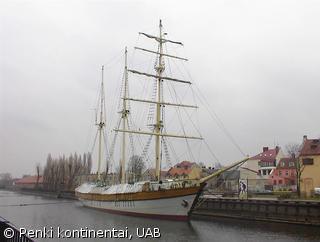 Mike Perham has become the youngest person to sail single handedly round the world. It's also the dream of another teenager in the Netherlands.
more »
Mike Perham has become the youngest person to sail single handedly round the world. It's also the dream of another teenager in the Netherlands.
more »
 Whenever its member countries are hit by natural disasters, the EU steps in to help coordinate assistance and fund the reconstruction of essential infrastructure.
more »
Whenever its member countries are hit by natural disasters, the EU steps in to help coordinate assistance and fund the reconstruction of essential infrastructure.
more »
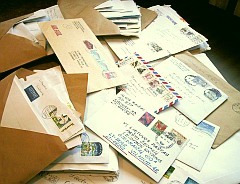 Inside this tiny house in central Cuba a woman rekindles old fashioned romance in a modern age. Liudmila Quincose writes love letters for a living.
more »
Inside this tiny house in central Cuba a woman rekindles old fashioned romance in a modern age. Liudmila Quincose writes love letters for a living.
more »
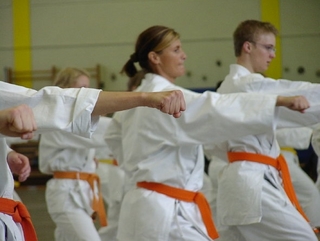 A traditional drum beat opens the 2009 World Karate Championships in Japan.
more »
A traditional drum beat opens the 2009 World Karate Championships in Japan.
more »
 Scientists are investigating the death of about 300 sea lions on the coast of Chile.
more »
Scientists are investigating the death of about 300 sea lions on the coast of Chile.
more »
 Carmen Valverde and her dog Tomas were out for a walk in their Lima, Peru neighborhood when Tomas was snatched from her side.
more »
Carmen Valverde and her dog Tomas were out for a walk in their Lima, Peru neighborhood when Tomas was snatched from her side.
more »
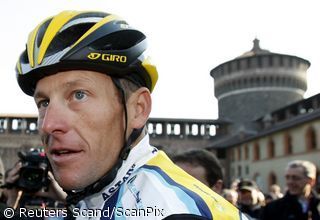 It was never going to be a quiet affair when Lance Armstrong put out an invitation on twitter for fans to join him on a bike ride around a Scottish town.
more »
It was never going to be a quiet affair when Lance Armstrong put out an invitation on twitter for fans to join him on a bike ride around a Scottish town.
more »
 About half of the British public feel there is a general negative bias in reporting on EU affairs on television, radio and in the written press, with written press reports seen as the most negative, according to a public opinion poll published by the European Commission today.
more »
About half of the British public feel there is a general negative bias in reporting on EU affairs on television, radio and in the written press, with written press reports seen as the most negative, according to a public opinion poll published by the European Commission today.
more »