Faced with a 2004 deadline, Latvia's government must decide what to do with thousands of secret police files left over from Soviet rule of the Baltic country
Published:
12 July 2003 y., Saturday
Since regaining independence in the 1991 Soviet collapse, the country of 2.4 million has grappled with its Communist past and what to do with thousands of KGB documents that are a record of decades of secret police activity.
Some want the 4,000 KGB files opened for public view, citing their historical importance, while others want them destroyed, fearful of the secrets they contain. The KGB took the bulk of the files with them when they pulled out of Latvia in 1991. Those that remain are just a fraction of the total.
If the deadline passes without a decision, the files will remain locked up -- closed to all but prosecutors investigating specific crimes and to individuals who want to see their own files. The files could no longer be used to run background checks on public figures or job applicants.
"Let's put the information on the table and get rid of the speculation," ex-Latvian Prime Minister Guntars Krasts told The Associated Press. "We can't live with keeping it in the dark and some people speculating over who is and isn't in there."
While giving the public access could clear those who are rumored to have worked for the KGB during Soviet rule, it could also mean others might be wrongly tainted.
Former Latvian President Guntis Ulmanis said the files should be destroyed, arguing that the KGB was known to forge documents in a bid to smear public figures.
The files have typically been used to run background checks on people seeking public office or a job in law enforcement. Any use of the documents was done through the state-run Center for the Documentation of the Consequences of Totalitarianism.
If someone is found to have had connections to the KGB, they can't be hired.
Indulis Zalite, who oversees the storage of the files and one of the few with unfettered access to them, said destroying them would be a mistake, but so would opening them up, too.
Šaltinis:
newsday.com
Copying, publishing, announcing any information from the News.lt portal without written permission of News.lt editorial office is prohibited.
The most popular articles
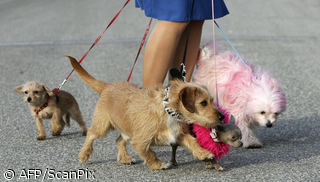 As families across the United States struggle to keep their homes and their jobs, they are having to make all kinds of sacrifices - including giving up their pets.
more »
As families across the United States struggle to keep their homes and their jobs, they are having to make all kinds of sacrifices - including giving up their pets.
more »
 Unless you are lucky enough to be sitting in a park with a laptop, then if you are reading this you are probably in one of the 160 million buildings in the European Union.
more »
Unless you are lucky enough to be sitting in a park with a laptop, then if you are reading this you are probably in one of the 160 million buildings in the European Union.
more »
 Germany's decided to ban the cultivation - and sale - of maize with genetically modified organisms, also known as GMOs.
more »
Germany's decided to ban the cultivation - and sale - of maize with genetically modified organisms, also known as GMOs.
more »
 U.S president Barack Obama has lived up to his election night promise. A new First Dog will soon be gracing the lawns of the White House.
more »
U.S president Barack Obama has lived up to his election night promise. A new First Dog will soon be gracing the lawns of the White House.
more »
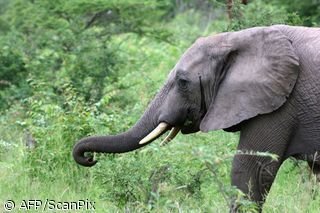 Ninio - bull elephant to come to Poznan Zoo in Poland - is suspected of being gay and unlikely to be much help in creating any baby elephants at the zoo.
more »
Ninio - bull elephant to come to Poznan Zoo in Poland - is suspected of being gay and unlikely to be much help in creating any baby elephants at the zoo.
more »
 The New York town of Hempstead bought five Nigerian dwarf baby goats for removing weeds at a park.
more »
The New York town of Hempstead bought five Nigerian dwarf baby goats for removing weeds at a park.
more »
 Pensioner Bernhard Nermerich and his wife Michaela, love nothing more than preparing to celebrate Easter.
more »
Pensioner Bernhard Nermerich and his wife Michaela, love nothing more than preparing to celebrate Easter.
more »
 The impact of poverty on women and the work-life balance are just two issues the Women's Rights Committee had tackled over the last Parliamentary term.
more »
The impact of poverty on women and the work-life balance are just two issues the Women's Rights Committee had tackled over the last Parliamentary term.
more »
 No-one has bought it yet but this wedding dress is already proving to be a tourist attraction in Romania.
more »
No-one has bought it yet but this wedding dress is already proving to be a tourist attraction in Romania.
more »
 More than 100 Irish women leaders (and some men), from all walks of life, came together to exchange views on the economic crisis at a special one-day conference entitled "Challenges to Irish women in the current economic climate" held in Dublin on 4 April.
more »
More than 100 Irish women leaders (and some men), from all walks of life, came together to exchange views on the economic crisis at a special one-day conference entitled "Challenges to Irish women in the current economic climate" held in Dublin on 4 April.
more »