Faced with a 2004 deadline, Latvia's government must decide what to do with thousands of secret police files left over from Soviet rule of the Baltic country
Published:
12 July 2003 y., Saturday
Since regaining independence in the 1991 Soviet collapse, the country of 2.4 million has grappled with its Communist past and what to do with thousands of KGB documents that are a record of decades of secret police activity.
Some want the 4,000 KGB files opened for public view, citing their historical importance, while others want them destroyed, fearful of the secrets they contain. The KGB took the bulk of the files with them when they pulled out of Latvia in 1991. Those that remain are just a fraction of the total.
If the deadline passes without a decision, the files will remain locked up -- closed to all but prosecutors investigating specific crimes and to individuals who want to see their own files. The files could no longer be used to run background checks on public figures or job applicants.
"Let's put the information on the table and get rid of the speculation," ex-Latvian Prime Minister Guntars Krasts told The Associated Press. "We can't live with keeping it in the dark and some people speculating over who is and isn't in there."
While giving the public access could clear those who are rumored to have worked for the KGB during Soviet rule, it could also mean others might be wrongly tainted.
Former Latvian President Guntis Ulmanis said the files should be destroyed, arguing that the KGB was known to forge documents in a bid to smear public figures.
The files have typically been used to run background checks on people seeking public office or a job in law enforcement. Any use of the documents was done through the state-run Center for the Documentation of the Consequences of Totalitarianism.
If someone is found to have had connections to the KGB, they can't be hired.
Indulis Zalite, who oversees the storage of the files and one of the few with unfettered access to them, said destroying them would be a mistake, but so would opening them up, too.
Šaltinis:
newsday.com
Copying, publishing, announcing any information from the News.lt portal without written permission of News.lt editorial office is prohibited.
The most popular articles
 Forget burning bras, the latest in "women's liberation" is a product making a comeback in Japan that makers claim allows women to ditch tight-fitting underwear - loincloths.
more »
Forget burning bras, the latest in "women's liberation" is a product making a comeback in Japan that makers claim allows women to ditch tight-fitting underwear - loincloths.
more »
 We revel in the ways in which mobile phones and wireless internet make our lives easier.
more »
We revel in the ways in which mobile phones and wireless internet make our lives easier.
more »
 For almost a decade a series of laws have protected Europe's workers from discrimination on the basis of age, disability, sexuality or religious beliefs.
more »
For almost a decade a series of laws have protected Europe's workers from discrimination on the basis of age, disability, sexuality or religious beliefs.
more »
 Earth Hour 2009 is an opportunity for hundreds of millions of people all around the world to switch off their lights as a demonstration, a symbolic action to show to governments we need you to take action on climate change.
more »
Earth Hour 2009 is an opportunity for hundreds of millions of people all around the world to switch off their lights as a demonstration, a symbolic action to show to governments we need you to take action on climate change.
more »
 From 4-7 June millions of people will have their chance to vote in the European Parliament elections.
more »
From 4-7 June millions of people will have their chance to vote in the European Parliament elections.
more »
 One town in Poland has just started a "rent-a-grandparent" programme.
more »
One town in Poland has just started a "rent-a-grandparent" programme.
more »
 A key component of the EU's internal market for goods and services is the possibility of buying and selling across Europe.
more »
A key component of the EU's internal market for goods and services is the possibility of buying and selling across Europe.
more »
 Polish farmers are intimidated by the mysterious predator.
more »
Polish farmers are intimidated by the mysterious predator.
more »
 The costs of fossil fuels are increasing and global warming is accelerating.
more »
The costs of fossil fuels are increasing and global warming is accelerating.
more »
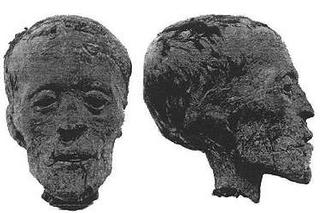 According to archaeologists, the mummy of a 50-year-old woman, discovered on San Lorenzo island, was most likely an elite member of the Pre-Incan Ichma culture.
more »
According to archaeologists, the mummy of a 50-year-old woman, discovered on San Lorenzo island, was most likely an elite member of the Pre-Incan Ichma culture.
more »