Faced with a 2004 deadline, Latvia's government must decide what to do with thousands of secret police files left over from Soviet rule of the Baltic country
Published:
12 July 2003 y., Saturday
Since regaining independence in the 1991 Soviet collapse, the country of 2.4 million has grappled with its Communist past and what to do with thousands of KGB documents that are a record of decades of secret police activity.
Some want the 4,000 KGB files opened for public view, citing their historical importance, while others want them destroyed, fearful of the secrets they contain. The KGB took the bulk of the files with them when they pulled out of Latvia in 1991. Those that remain are just a fraction of the total.
If the deadline passes without a decision, the files will remain locked up -- closed to all but prosecutors investigating specific crimes and to individuals who want to see their own files. The files could no longer be used to run background checks on public figures or job applicants.
"Let's put the information on the table and get rid of the speculation," ex-Latvian Prime Minister Guntars Krasts told The Associated Press. "We can't live with keeping it in the dark and some people speculating over who is and isn't in there."
While giving the public access could clear those who are rumored to have worked for the KGB during Soviet rule, it could also mean others might be wrongly tainted.
Former Latvian President Guntis Ulmanis said the files should be destroyed, arguing that the KGB was known to forge documents in a bid to smear public figures.
The files have typically been used to run background checks on people seeking public office or a job in law enforcement. Any use of the documents was done through the state-run Center for the Documentation of the Consequences of Totalitarianism.
If someone is found to have had connections to the KGB, they can't be hired.
Indulis Zalite, who oversees the storage of the files and one of the few with unfettered access to them, said destroying them would be a mistake, but so would opening them up, too.
Šaltinis:
newsday.com
Copying, publishing, announcing any information from the News.lt portal without written permission of News.lt editorial office is prohibited.
The most popular articles
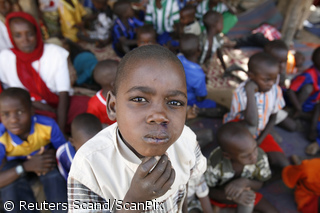 The fact that over 80% of the world's children live in the developing world with a poor quality of life is the reason Europe “should take positive action”, according to Glenys Kinnock.
more »
The fact that over 80% of the world's children live in the developing world with a poor quality of life is the reason Europe “should take positive action”, according to Glenys Kinnock.
more »
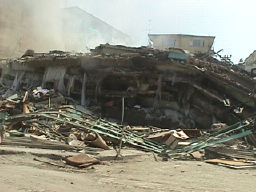 Houses collapse on the outskirts of La Paz Bolivia.
more »
Houses collapse on the outskirts of La Paz Bolivia.
more »
 In a remote corner of Siberia children with disabilities are being offered a helping paw.
more »
In a remote corner of Siberia children with disabilities are being offered a helping paw.
more »
 In Hungary every February The Buso men march through the streets hoping their efforts will help usher in the spring.
more »
In Hungary every February The Buso men march through the streets hoping their efforts will help usher in the spring.
more »
 Besides fostering dialogues among the world's most influential chefs, the event also is aimed at promoting Japanese food culture to the world.
more »
Besides fostering dialogues among the world's most influential chefs, the event also is aimed at promoting Japanese food culture to the world.
more »
 A new trend in fake fashion is taking China by storm.
more »
A new trend in fake fashion is taking China by storm.
more »
 When it comes to social protection, the EU has some of the strongest laws on the books.
more »
When it comes to social protection, the EU has some of the strongest laws on the books.
more »
 The Taj Mahal is under threat - a series of cracks have appeared in the walls of the structure.
more »
The Taj Mahal is under threat - a series of cracks have appeared in the walls of the structure.
more »
 French and Danish journalists share first prize in the 2008 journalist award "For diversity, against discrimination".
more »
French and Danish journalists share first prize in the 2008 journalist award "For diversity, against discrimination".
more »
 Rallies can be used to pump up people's enthusiasm for all kinds of things but here in Japan schools and colleges are drafting in teams of cheerleaders to boost enthusiasm among students about to enter the jobs market.
more »
Rallies can be used to pump up people's enthusiasm for all kinds of things but here in Japan schools and colleges are drafting in teams of cheerleaders to boost enthusiasm among students about to enter the jobs market.
more »