Independent journalists and international human rights organizations are concerned about the future of free-press development in Kazakhstan
Published:
20 January 2004 y., Tuesday
Independent journalists and international human rights organizations are concerned about the future of free-press development in Kazakhstan, citing pending media legislation that would effectively give the government the ability to meddle in the operations of news-gathering organizations.
A clear majority in Kazakhstan's lower house of parliament, or Mazhilis, passed the media bill on December 25. Free-speech advocates believe the upper house, or Senate, will approve the bill as early as in mid-February. "We have no hope in the Senate, and [only] a very small hope that the president will reconsider and not sign this draft law," said Irina Petrushova, editor of the opposition Assandi Times newspaper.
Under the law, the Ministry of Information Affairs would have nearly unlimited powers to suspend a media organization's operations. The law places no restrictions on monopolies, and does little to guarantee journalists' rights. The law vaguely states that journalists have a right to gather information. At the same time, the legislation mandates that media organizations perform certain functions as defined by the Ministry of Information - a requirement that critics fear could be used to deny registration to media outlets that anger the government.
Petrushova, one of the bill's most outspoken critics, said the Western reaction to the media bill could play a pivotal role in its future. An outcry against the law by Western government and non-governmental groups could pressure Kazakhstani President Nursultan Nazarbayev not to sign the restrictive legislation. The Assandi Times has already published two so-called "protest editions" with statements from international organizations such as Reporters Without Borders and the World Association of Newspapers that criticize the draft law. The newspaper plans to release additional special editions in January to draw fresh international attention to the legislation. But, so far, such criticism appears to have had little effect.
Šaltinis:
EurasiaNet
Copying, publishing, announcing any information from the News.lt portal without written permission of News.lt editorial office is prohibited.
The most popular articles
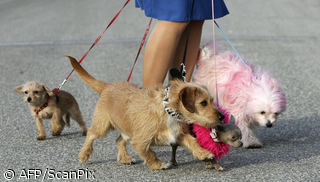 As families across the United States struggle to keep their homes and their jobs, they are having to make all kinds of sacrifices - including giving up their pets.
more »
As families across the United States struggle to keep their homes and their jobs, they are having to make all kinds of sacrifices - including giving up their pets.
more »
 Unless you are lucky enough to be sitting in a park with a laptop, then if you are reading this you are probably in one of the 160 million buildings in the European Union.
more »
Unless you are lucky enough to be sitting in a park with a laptop, then if you are reading this you are probably in one of the 160 million buildings in the European Union.
more »
 Germany's decided to ban the cultivation - and sale - of maize with genetically modified organisms, also known as GMOs.
more »
Germany's decided to ban the cultivation - and sale - of maize with genetically modified organisms, also known as GMOs.
more »
 U.S president Barack Obama has lived up to his election night promise. A new First Dog will soon be gracing the lawns of the White House.
more »
U.S president Barack Obama has lived up to his election night promise. A new First Dog will soon be gracing the lawns of the White House.
more »
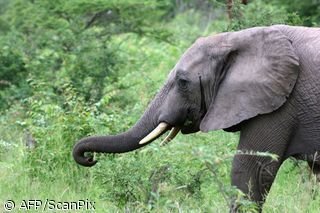 Ninio - bull elephant to come to Poznan Zoo in Poland - is suspected of being gay and unlikely to be much help in creating any baby elephants at the zoo.
more »
Ninio - bull elephant to come to Poznan Zoo in Poland - is suspected of being gay and unlikely to be much help in creating any baby elephants at the zoo.
more »
 The New York town of Hempstead bought five Nigerian dwarf baby goats for removing weeds at a park.
more »
The New York town of Hempstead bought five Nigerian dwarf baby goats for removing weeds at a park.
more »
 Pensioner Bernhard Nermerich and his wife Michaela, love nothing more than preparing to celebrate Easter.
more »
Pensioner Bernhard Nermerich and his wife Michaela, love nothing more than preparing to celebrate Easter.
more »
 The impact of poverty on women and the work-life balance are just two issues the Women's Rights Committee had tackled over the last Parliamentary term.
more »
The impact of poverty on women and the work-life balance are just two issues the Women's Rights Committee had tackled over the last Parliamentary term.
more »
 No-one has bought it yet but this wedding dress is already proving to be a tourist attraction in Romania.
more »
No-one has bought it yet but this wedding dress is already proving to be a tourist attraction in Romania.
more »
 More than 100 Irish women leaders (and some men), from all walks of life, came together to exchange views on the economic crisis at a special one-day conference entitled "Challenges to Irish women in the current economic climate" held in Dublin on 4 April.
more »
More than 100 Irish women leaders (and some men), from all walks of life, came together to exchange views on the economic crisis at a special one-day conference entitled "Challenges to Irish women in the current economic climate" held in Dublin on 4 April.
more »