Independent journalists and international human rights organizations are concerned about the future of free-press development in Kazakhstan
Published:
20 January 2004 y., Tuesday
Independent journalists and international human rights organizations are concerned about the future of free-press development in Kazakhstan, citing pending media legislation that would effectively give the government the ability to meddle in the operations of news-gathering organizations.
A clear majority in Kazakhstan's lower house of parliament, or Mazhilis, passed the media bill on December 25. Free-speech advocates believe the upper house, or Senate, will approve the bill as early as in mid-February. "We have no hope in the Senate, and [only] a very small hope that the president will reconsider and not sign this draft law," said Irina Petrushova, editor of the opposition Assandi Times newspaper.
Under the law, the Ministry of Information Affairs would have nearly unlimited powers to suspend a media organization's operations. The law places no restrictions on monopolies, and does little to guarantee journalists' rights. The law vaguely states that journalists have a right to gather information. At the same time, the legislation mandates that media organizations perform certain functions as defined by the Ministry of Information - a requirement that critics fear could be used to deny registration to media outlets that anger the government.
Petrushova, one of the bill's most outspoken critics, said the Western reaction to the media bill could play a pivotal role in its future. An outcry against the law by Western government and non-governmental groups could pressure Kazakhstani President Nursultan Nazarbayev not to sign the restrictive legislation. The Assandi Times has already published two so-called "protest editions" with statements from international organizations such as Reporters Without Borders and the World Association of Newspapers that criticize the draft law. The newspaper plans to release additional special editions in January to draw fresh international attention to the legislation. But, so far, such criticism appears to have had little effect.
Šaltinis:
EurasiaNet
Copying, publishing, announcing any information from the News.lt portal without written permission of News.lt editorial office is prohibited.
The most popular articles
 Marching through the streets of Ozd around 600 Hungarian Guards staged one of their biggest protests.
more »
Marching through the streets of Ozd around 600 Hungarian Guards staged one of their biggest protests.
more »
 If the tyres on your car are under inflated or of poor quality then you may be filling up with fuel more often than you should be.
more »
If the tyres on your car are under inflated or of poor quality then you may be filling up with fuel more often than you should be.
more »
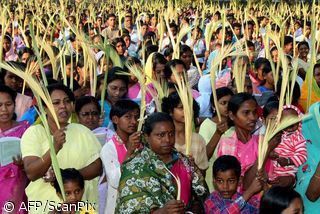 Pilgrims packed into St Peter's Square in Rome under sunny skies, to mark Palm Sunday. They had gathered to commemorate Jesus Christ's triumphant entry into Jerusalem a week before being crucified.
more »
Pilgrims packed into St Peter's Square in Rome under sunny skies, to mark Palm Sunday. They had gathered to commemorate Jesus Christ's triumphant entry into Jerusalem a week before being crucified.
more »
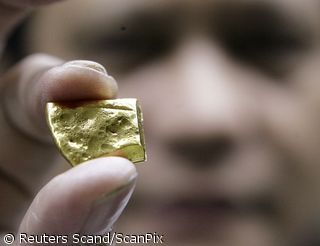 Amid the backdrop of California's soaring unemployment and the collapse of its housing market, "gold fever" has taken hold of some newly-minted miners.
more »
Amid the backdrop of California's soaring unemployment and the collapse of its housing market, "gold fever" has taken hold of some newly-minted miners.
more »
 A group of Roma organisations Thursday honoured the European Parliament for its support of the Roma and their rights during the current legislative term.
more »
A group of Roma organisations Thursday honoured the European Parliament for its support of the Roma and their rights during the current legislative term.
more »
 Mourners gathered outside the home of Argentina's former president Raul Alfonsin soon after the news of his death emerged.
more »
Mourners gathered outside the home of Argentina's former president Raul Alfonsin soon after the news of his death emerged.
more »
 1 in 3 children in the UK are considered poor - that's more than any other industrialised country.
more »
1 in 3 children in the UK are considered poor - that's more than any other industrialised country.
more »
 Planning will reduce the impact of climate change on health, energy supplies, transport systems, farming and tourism.
more »
Planning will reduce the impact of climate change on health, energy supplies, transport systems, farming and tourism.
more »
 Urban beekeepers Alison Benjamin and Brian McCallum are on a mission to save the British honey bee. A deadly virus is threatening to wipe out bees in the UK.
more »
Urban beekeepers Alison Benjamin and Brian McCallum are on a mission to save the British honey bee. A deadly virus is threatening to wipe out bees in the UK.
more »
 The gradual retreat of the death penalty round the world and progress on women's and children's rights are among positive developments noted in the EP's draft annual report on human rights for 2008.
more »
The gradual retreat of the death penalty round the world and progress on women's and children's rights are among positive developments noted in the EP's draft annual report on human rights for 2008.
more »