Independent journalists and international human rights organizations are concerned about the future of free-press development in Kazakhstan
Published:
20 January 2004 y., Tuesday
Independent journalists and international human rights organizations are concerned about the future of free-press development in Kazakhstan, citing pending media legislation that would effectively give the government the ability to meddle in the operations of news-gathering organizations.
A clear majority in Kazakhstan's lower house of parliament, or Mazhilis, passed the media bill on December 25. Free-speech advocates believe the upper house, or Senate, will approve the bill as early as in mid-February. "We have no hope in the Senate, and [only] a very small hope that the president will reconsider and not sign this draft law," said Irina Petrushova, editor of the opposition Assandi Times newspaper.
Under the law, the Ministry of Information Affairs would have nearly unlimited powers to suspend a media organization's operations. The law places no restrictions on monopolies, and does little to guarantee journalists' rights. The law vaguely states that journalists have a right to gather information. At the same time, the legislation mandates that media organizations perform certain functions as defined by the Ministry of Information - a requirement that critics fear could be used to deny registration to media outlets that anger the government.
Petrushova, one of the bill's most outspoken critics, said the Western reaction to the media bill could play a pivotal role in its future. An outcry against the law by Western government and non-governmental groups could pressure Kazakhstani President Nursultan Nazarbayev not to sign the restrictive legislation. The Assandi Times has already published two so-called "protest editions" with statements from international organizations such as Reporters Without Borders and the World Association of Newspapers that criticize the draft law. The newspaper plans to release additional special editions in January to draw fresh international attention to the legislation. But, so far, such criticism appears to have had little effect.
Šaltinis:
EurasiaNet
Copying, publishing, announcing any information from the News.lt portal without written permission of News.lt editorial office is prohibited.
The most popular articles
 At the national war memorial in New Delhi, India's war widows and daughters remember their fallen.
more »
At the national war memorial in New Delhi, India's war widows and daughters remember their fallen.
more »
 By 2020, three out of four people employed in the EU will be working in services like insurance, healthcare, retail and education, according to a new report on the future of the European job market.
more »
By 2020, three out of four people employed in the EU will be working in services like insurance, healthcare, retail and education, according to a new report on the future of the European job market.
more »
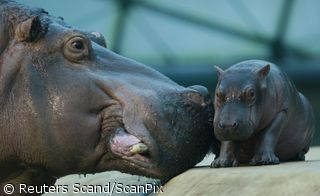 Berlin Zoo's very pleased about the new arrival, as she's the first hippo to be born in Berlin in three years.
more »
Berlin Zoo's very pleased about the new arrival, as she's the first hippo to be born in Berlin in three years.
more »
 MEPs and EU ministers are trying to reach an agreement on how many hours we should work and whether countries should continue to be allowed to opt out of these rules.
more »
MEPs and EU ministers are trying to reach an agreement on how many hours we should work and whether countries should continue to be allowed to opt out of these rules.
more »
 Tanks, guns, socks: the buying of military equipment like this from abroad is complicated due to export rules all being different.
more »
Tanks, guns, socks: the buying of military equipment like this from abroad is complicated due to export rules all being different.
more »
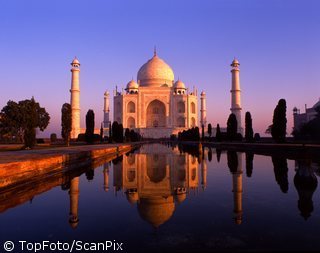 The life-size replica of the real monument of love has just opened to the public.
more »
The life-size replica of the real monument of love has just opened to the public.
more »
 A series of ice statues symbolizing the dangers of global warming welcomed delegates to the climate change conference taking place in Poznań this week.
more »
A series of ice statues symbolizing the dangers of global warming welcomed delegates to the climate change conference taking place in Poznań this week.
more »
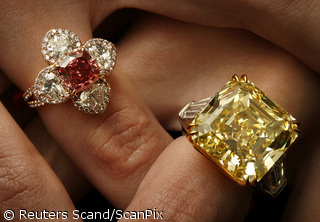 The diamond is 35.56 carats and dates back to the 17th century.
more »
The diamond is 35.56 carats and dates back to the 17th century.
more »
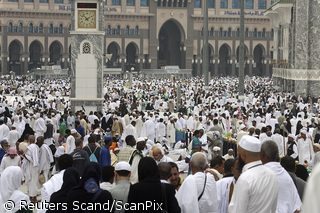 Around two million muslims performed the pilgrimage on their haj, which in the past has been tarred by hotel collapses and stampedes.
more »
Around two million muslims performed the pilgrimage on their haj, which in the past has been tarred by hotel collapses and stampedes.
more »
 Yuebin or Happy Guest restaurant became Communist China's first private restaurant.
more »
Yuebin or Happy Guest restaurant became Communist China's first private restaurant.
more »