LITHUANIANS TURN INTO NATION OF EURO-ENTHUSIASTS
Published:
19 December 2000 y., Tuesday
The number of Lithuanians who support their country's membership in the European Union is growing, reports the latest survey conducted by the Vilmorus public opinion research center.
Valdas Gaidys, director of Vilmorus, says that the internal political situation, the privatization process and issues surrounding the Ignalina nuclear plant have influenced the attitude of Lithuanians toward future EU membership. The number of EU enthusiasts has consistently grown in recent months.
A whopping 76.5 percent of respondents approved of EU membership in the month of November (in October it was 67.9 percent). Currently, only 9.7 percent of the Lithuanian population is against membership, with 13.7 percent of the respondents undecided about the subject.
Vilmorus noted the largest growth of Euro-skepticism took place in November 1999.
Gaidys mentioned several factors which had an influence on this skepticism. The public reaction to the privatization of the Mazeikiu Nafta oil refinery, the import-export offshore terminal and pipeline, was negative. The deal got bad media. Lithuanians started thinking negatively not just about U.S. Williams, which became the operator of Mazeikiu, but also about the "West" in general in the fall of 1999.
The Lithuanian public also reacted negatively to promises made by Lithu�anian authorities to the European Commission to close the Ignalina nuclear station. EC pressure provoked a defensive reaction.
Šaltinis:
baltictimes.com
Copying, publishing, announcing any information from the News.lt portal without written permission of News.lt editorial office is prohibited.
The most popular articles
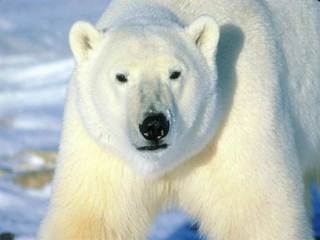 The fate of blue fin tuna hangs in the balance this week as a complete ban on the trade is debated by MEPs.
more »
The fate of blue fin tuna hangs in the balance this week as a complete ban on the trade is debated by MEPs.
more »
 A $100 million pledge from the Government of Japan has helped to secure the funding base and launch the operational phase of two new climate programs supporting forest management and renewable energy investments in developing countries.
more »
A $100 million pledge from the Government of Japan has helped to secure the funding base and launch the operational phase of two new climate programs supporting forest management and renewable energy investments in developing countries.
more »
 Europeans quite happy with their personal situation, but less satisfied with economic and social climate in their country.
more »
Europeans quite happy with their personal situation, but less satisfied with economic and social climate in their country.
more »
 Spain wishes to “make as much progress as possible” to ensure the EU becomes party to the Council of Europe's Convention for the Protection of Human Rights and Fundamental Freedoms soon, according to the Spanish Minister for Justice, Francisco Caamaño, at today's opening of a seminar on the challenges and possibilities arising from the Treaty of Lisbon coming into force.
more »
Spain wishes to “make as much progress as possible” to ensure the EU becomes party to the Council of Europe's Convention for the Protection of Human Rights and Fundamental Freedoms soon, according to the Spanish Minister for Justice, Francisco Caamaño, at today's opening of a seminar on the challenges and possibilities arising from the Treaty of Lisbon coming into force.
more »
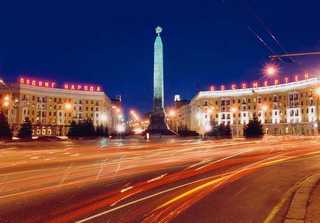 According to Belarusian tradition, a stork brings good fortune to the village it settles in while in western culture the stork is commonly associated with childbirth.
more »
According to Belarusian tradition, a stork brings good fortune to the village it settles in while in western culture the stork is commonly associated with childbirth.
more »
 The World Bank Board of Directors today approved an additional financing credit to the Republic of Moldova in the amount of US $20 million for the Social Investment Fund II Project.
more »
The World Bank Board of Directors today approved an additional financing credit to the Republic of Moldova in the amount of US $20 million for the Social Investment Fund II Project.
more »
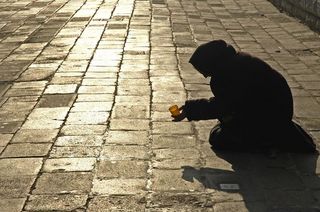 The Spanish Health and Social Policy Minister, Trinidad Jiménez, and the European Commissioner for Employment, Social Affairs and Equal Opportunities, Vladimir Spidla, addressed the press in Madrid on the launch of the European Year for Combating Poverty and Social Exclusion 2010.
more »
The Spanish Health and Social Policy Minister, Trinidad Jiménez, and the European Commissioner for Employment, Social Affairs and Equal Opportunities, Vladimir Spidla, addressed the press in Madrid on the launch of the European Year for Combating Poverty and Social Exclusion 2010.
more »
 The European Commission and the Spanish Presidency of the EU will tomorrow launch the 2010 European Year for Combating Poverty and Social Exclusion.
more »
The European Commission and the Spanish Presidency of the EU will tomorrow launch the 2010 European Year for Combating Poverty and Social Exclusion.
more »
 Smoking at a restaurant like this one in Spain could soon be a thing of the past. Spanish lawmakers want to stub out the habit in public places like bars and restaurants. But it's an unpopular proposal in a country where around 30 percent of the population smoke.
more »
Smoking at a restaurant like this one in Spain could soon be a thing of the past. Spanish lawmakers want to stub out the habit in public places like bars and restaurants. But it's an unpopular proposal in a country where around 30 percent of the population smoke.
more »
 As President of the European Economic and Social Committee, I would like, on behalf of all the Committee's members, to express my sympathy to the victims of the earthquake in Haiti.
more »
As President of the European Economic and Social Committee, I would like, on behalf of all the Committee's members, to express my sympathy to the victims of the earthquake in Haiti.
more »