Animal sacrifice for Muslim feast day now controversial
Published:
7 March 2001 y., Wednesday
ACROSS Istanbul – in back yards, along side streets, at parks and even on apartment balconies – the throats of thousands of struggling sheep were slashed in celebration of the start of the annual Muslim Feast of
Sacrifice.
But this year, centuries-old tradition has slammed headlong into the modern era of city lifestyles, globalized rules of conduct and changing social values in one of the world’s most rapidly urbanizing nations. The annual slaughter has embroiled health authorities, religious leaders, politicians eager to see Turkey join the European Union and animal rights activists in a debate that intersects many of Turkey’s most contentious social struggles.
Tradition is not easily discarded, however, in a nation where 98 percent of the population is Muslim and in a city with a large population of rural immigrants. To many Muslims, the annual sacrifice of an animal, most commonly a sheep or cow, is one of Islam’s principal tenets, representing devotion to God and a sharing of wealth. After the sacrifice, families divide the meat into thirds, with equal portions for their family, neighbors and needy members of the community.
City fathers have attempted to reconcile traditional values, nurtured in Turkey’s agrarian past, with the realities of cramped urban living by establishing 169 municipal sacrifice centers throughout this metropolis of 12 million people for the three days of slaughter, which continues through Wednesday.
Šaltinis:
THE WASHINGTON POST
Copying, publishing, announcing any information from the News.lt portal without written permission of News.lt editorial office is prohibited.
The most popular articles
 Ensuring that women are protected from physical, sexual or psychological abuse if they flee abroad is what lies behind the proposed European Protection Order.
more »
Ensuring that women are protected from physical, sexual or psychological abuse if they flee abroad is what lies behind the proposed European Protection Order.
more »
 Remnants of Tropical Storm Agatha dumped more rain across Central America, killing at least 73 people in the region, and forcing scores of others to flee their homes.
more »
Remnants of Tropical Storm Agatha dumped more rain across Central America, killing at least 73 people in the region, and forcing scores of others to flee their homes.
more »
 Ninety-three-year old Lim Guan Siew looks back, with regret, on her experience of the long-dispelled Chinese custom of foot-binding.
more »
Ninety-three-year old Lim Guan Siew looks back, with regret, on her experience of the long-dispelled Chinese custom of foot-binding.
more »
 Ahead of the 2010 No Tobacco Day (Monday 31st May), the European Commission unveils the results of a Eurobarometer survey which shows that a strong majority of EU citizens support stronger tobacco control measures.
more »
Ahead of the 2010 No Tobacco Day (Monday 31st May), the European Commission unveils the results of a Eurobarometer survey which shows that a strong majority of EU citizens support stronger tobacco control measures.
more »
 Enviromentalist and endurance swimmer Lewis Pugh puts his body to the test in thin air and cold water to highlight shrinking glaciers in high mountain ranges.
more »
Enviromentalist and endurance swimmer Lewis Pugh puts his body to the test in thin air and cold water to highlight shrinking glaciers in high mountain ranges.
more »
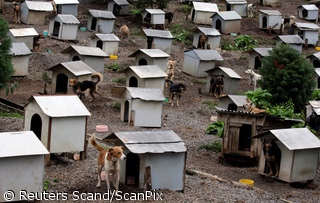 It’s a dog’s life for the 1,500 unwanted strays who spend their days in a slum-like shelters in Brazil’s southern city of Caxias do Sul.
more »
It’s a dog’s life for the 1,500 unwanted strays who spend their days in a slum-like shelters in Brazil’s southern city of Caxias do Sul.
more »
 Three resolutions on the situation in Thailand, the pre-election climate in Burma and religious freedom in Pakistan were adopted by the European Parliament in Strasbourg on Thursday.
more »
Three resolutions on the situation in Thailand, the pre-election climate in Burma and religious freedom in Pakistan were adopted by the European Parliament in Strasbourg on Thursday.
more »
 Growing numbers of children enroll in kung-fu schools to learn self-defense techniques after a series of school attacks in recent weeks spark wide-spread concern in China.
more »
Growing numbers of children enroll in kung-fu schools to learn self-defense techniques after a series of school attacks in recent weeks spark wide-spread concern in China.
more »
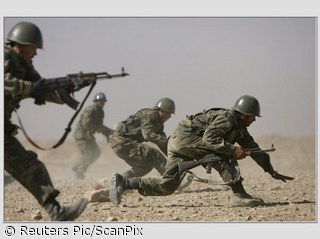 Homosexuality in the military can be a thorny issue around the world, with gay and lesbian soldiers often hiding their sexual preference out of fear.
more »
Homosexuality in the military can be a thorny issue around the world, with gay and lesbian soldiers often hiding their sexual preference out of fear.
more »
 European Commission Vice-President Viviane Reding will urge EU Member States to swiftly ratify the UN Convention on the Rights of Persons with Disabilities during a May 19 Ministers’ meeting in Zaragoza, Spain.
more »
European Commission Vice-President Viviane Reding will urge EU Member States to swiftly ratify the UN Convention on the Rights of Persons with Disabilities during a May 19 Ministers’ meeting in Zaragoza, Spain.
more »